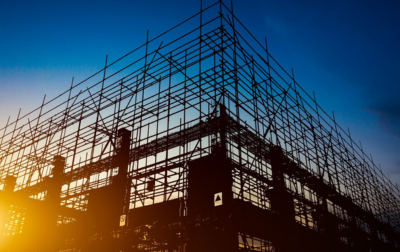
As we have seen, in construction projects, especially large infrastructure ventures, challenges are constant and multifaceted. It is necessary to deal with multiple parties involved, long execution timelines, high financial values, and technical variables that will likely arise along the way. In this environment, the risk of disputes is inevitable: differences in contractual interpretation, unforeseen ground conditions, scope changes, unmet deadlines, and communication failures… The possible occurrences are endless.
Traditionally, these divergences end up being resolved through judicial or arbitral proceedings. But both routes share a central problem: time and cost. Lengthy disputes halt projects, increase construction costs, and may strain the relationship between contractor and client.
To address these challenges, the adoption of Dispute Boards has been expanding. These committees — composed of independent professionals (generally experienced in complex contracts) — are chosen by the parties at the time of contracting. Their function is to monitor the execution of the contract from the start, with the goal of preventing and resolving disputes quickly and economically, focusing on guidance, prevention, and continuous resolution of controversies.
Among their main benefits are legal certainty, neutrality, and the technical expertise of their members, in addition to the committees’ close monitoring of the works from the beginning of the contract, at least in most cases. These factors contribute to dispute prevention and, when divergences arise between the parties, to more assertive decisions, reducing the tendency toward judicialization.
The decisions issued by Dispute Boards, especially in the modalities that issue binding determinations (such as the Dispute Adjudication Board), offer swift and effective solutions with immediate effect, even though they can be subsequently contested either in arbitration or before the courts, which increases the parties’ confidence and helps reduce prolonged disputes.
There are three main types of pronouncements issued by Committee members:
• Dispute Review Board (DRB): issues non-binding recommendations;
• Dispute Adjudication Board (DAB): issues binding decisions, to be complied with immediately;
• Combined Dispute Board (CDB): combines the two models, being able to issue recommendations or decisions depending on the situation.
Despite the differences, all modalities share the same objective: to keep the contract alive, balanced, and functional, avoiding the need for the parties to resort directly to the courts or arbitration.
In addition, the greatest contribution of this mechanism lies in conflict prevention. By monitoring the project in real time, analyzing technical records, and conducting site visits, the Dispute Board can identify potential friction points before they escalate into disputes, ensuring the continuity of the project and preventing disagreements from escalating.
Thus, Dispute Boards act not only as an efficient mechanism for dispute resolution but, above all, as a preventive tool that generates savings from the start of the project.
This proactive nature generates significant economic impact. According to the Dispute Resolution Board Foundation (DRBF), around 97% of disputes are resolved within the scope of the Dispute Boards, avoiding escalation into arbitration or judicial proceedings, which are inherently costly and lengthy. The reduction of disputes represents not only direct savings (fees, compensation, delays…) but also indirect savings, by preserving budget predictability and the contractual relationship. After all, each day of interruption can generate costs far greater than maintaining a preventive committee.
Other fundamental aspects are predictability and transparency in contract management. The continuous presence of specialists analyzing technical documents and closely monitoring execution ensures a more precise understanding of the process. At the same time, this work requires careful documentation of events, contributing to more efficient monitoring and detailed traceability of each stage of project development.
Although widely used in international projects, such as the London 2012 Olympic Games and the European nuclear fusion project ITER, Dispute Boards are still in a consolidation phase in Brazil. The regulatory framework, however, is already evolving: Law No. 14.133/2021 (the New Public Procurement and Administrative Contracts Law) expressly recognizes them as alternative means of dispute resolution in public contracts. This is an important step forward, legitimizing the mechanism at the federal level and encouraging its adoption in projects of high social and economic relevance.
In Brazil, the mechanism has already been successfully tested in major contracts, such as São Paulo Metro Line 4–Yellow, demonstrating the efficiency and acceptance of this model.
For readers, the message is clear: looking at the current scenario, it becomes evident that investing in the establishment of a Dispute Board is a lever to optimize resources, mitigate risks, and ensure safer and more predictable outcomes.
The focus is not only on resolving disputes but on preventing them effectively, ensuring that the project proceeds as planned, saving time and money for all involved.
Thus, rather than an additional cost, Dispute Boards should be viewed as an investment in contractual governance. The amount allocated to the committee is usually small compared to the losses associated with a prolonged dispute or a halted project.
BUENO, Júlio César. Os Dispute Boards e sua evolução no Direito Brasileiro. In: NASCIMBENI, Asdrubal Franco.; CARDOSO, Christiana Beyrodt; RANZOLIN, Ricardo. Meios Adequados de Solução de Conflitos: arbitragem, dispute board, mediação, negociação e práticas colaborativas. São Paulo: Almedina, 2023. E-book.
CABRAL, Thiago Dias Delfino. O comitê de resolução de disputas (Dispute Boards) no Sistema Multiportas do Código de Processo Civil. Revista de Arbitragem e Mediação, São Paulo, v. 59/2018, p. 33 – 53, nov. 2018.
NETO, Francisco Maia; LIMA, Renata Faria Silva; NOVAIS, Roberto Cançado Vasconcelos Novais. Guia prático de DRB para advogados. Belo Horizonte: OAB Comissão de Arbitragem, 2025.
NETO, Augusto Barros de Figueiredo SIlva. Dispute Boards no Brasil: evolução histórica, a prática e perspectivas futuras. Revista Brasileira de Alternative Dispute Resolution, Belo Horizonte, ano 01, n. 02, p. 69-95, jul./dez. 2019.
RAVAGNANI, Giovani dos Santos; NAKAMURA, Bruna Laís Souza Tourinho; LONGA, Daniel Pinheiro. A utilização de Dispute Boards como método adequado para resolução de conflitos no Brasil. Revista de Processo, São Paulo, v. 300/2020, p. 343 – 362, fev. 2020.